
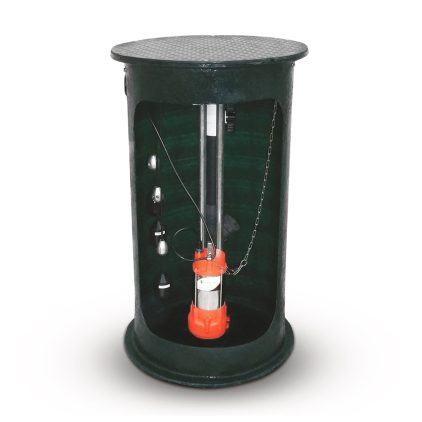
Why Reliable Water Level Control Matters In Commercial Sump Systems
Written by webtechs

Why Reliable Water Level Control Matters In Commercial Sump Systems

A commercial sump system is easy to ignore when it is working. It sits there quietly, doing a job nobody wants to think about too much.

Then one day it does not work.

Maybe the pump does not turn on. Maybe it runs too often. Maybe the basin level gets higher than it should. Maybe there is an alarm after hours and nobody is quite sure what happened. In a commercial building, that kind of problem can move from annoying to expensive very quickly.

That is why water level control matters so much. The pump is important, of course, but the pump can only respond to the signal it receives.

Float Switches Can Be The Weak Link

Many sump systems still rely on mechanical float switches. They are familiar, simple, and easy to understand. The problem is that commercial sump environments are not always gentle places for moving parts.

A float can hang up. It can get caught on debris. It can shift out of position. It can fail after years of use. In some basins, grease, sediment, scale, or general buildup can make the problem worse.

It may also cycle too often or shut off at the wrong time. Either way, the issue is not just the float. It is the risk that comes with unreliable level control.

Bad Level Control Can Wear Out Equipment

A sump pump that short cycles is not just annoying. It can put extra wear on the components.

If the water level is not being read correctly, the system may run more than needed or fail to run soon enough. That can shorten equipment life and make maintenance harder to predict.

For facility managers, maintenance teams, and building owners, predictable operation matters. Nobody wants to keep solving the same sump issue every few months because the control setup is not dependable.

Alarms Give People Time To Act

One of the most useful features in a commercial sump setup is a good alarm system.

A high level alarm can warn the team before a serious overflow. A low level or fault signal can also help identify unusual behavior. In larger buildings, the ability to connect with a building management system can make a big difference because the right people can see the problem sooner.

That extra warning time matters. It can be the difference between a manageable service call and a cleanup nobody wanted.

Electronic Controls Remove A Common Failure Point

Electronic water level controls can help by removing the traditional mechanical float from the system. Instead of depending on a float moving up and down, the system uses sensors and a controller to manage pump operation and level detection.

That can be useful in sump basins where conditions are rough, access is awkward, or downtime would be a real problem.

No system should be forgotten forever, but a better control setup can reduce some of the nuisance failures that come from old float switches and hard working mechanical parts.

When To Look At An Upgrade

It may be time to review your sump level controls if the pump cycles too often, the basin level is inconsistent, alarms are unreliable, or float switches have to be replaced more than they should.

It is also worth looking at the controls during a pump replacement, building upgrade, or maintenance review. If the pump is being serviced anyway, that is a sensible time to ask whether the controls are helping or creating more work.

Talk To Waterline Controls

Waterline Controls manufactures electronic water level controls and sensors for sump systems, cooling towers, tanks, fire protection, HVAC systems, and other wet environment applications.

If your commercial sump system has been relying on float switches and giving your team repeated problems, Waterline Controls can help you look at a more reliable way to manage water levels.

Contact Waterline Controls today to learn more about electronic water level controls for commercial sump systems

Why Reliable Water Level Control Matters In Commercial Sump Systems
Written by webtechs

Where To Put Check Valve on A Sump Pump

A check valve on a sump pump is crucial for preventing backflow of water into the sump pit after the pump shuts off. Here’s exactly where and how to place it:

Best Location for a Check Valve on a Sump Pump:

📍 Position:

  • Install the check valve on the discharge pipe, just above the sump pump, but below the basement floor level or first pipe bend.

Side View Diagram (Simplified):

House Exterior

Discharge Pipe

[Check Valve] ← ✅ Install here

Vertical Pipe

Sump Pump

Sump Pit

🔧 Installation Tips:

  1. Orientation Matters:

    • Ensure the arrow on the valve body points away from the pump, indicating water flow direction.

  2. Use Unions or Rubber Couplings:

    • These make it easy to remove the valve for maintenance.

  3. Leave Vertical Pipe Space:

    • Leave at least 8–12 inches of straight vertical pipe between the pump and the valve, if possible, to prevent turbulence.

  4. Quiet Check Valves (Optional):

    • Consider a “quiet” or spring-loaded check valve to reduce clunking noises when the valve shuts.

Avoid Installing:

  • Directly on the pump outlet—leave some vertical pipe.

  • Above floor level—water can drain back down the pipe and cause the pump to cycle unnecessarily.

Common Mistakes Made With Check Valves on Sump Pumps

Here are the most common mistakes people make when installing or using check valves on sump pumps, and how to avoid them:


1. Installing the Check Valve Backward

  • Mistake: The valve is installed in the wrong flow direction, causing no water to leave the pit.

  • Fix: Follow the arrow on the valve body, which should point away from the pump (toward the discharge line).

2. Installing the Valve Too High

  • Mistake: Placing the check valve far above the sump pit allows a large volume of water to drain back when the pump shuts off.

  • Fix: Install the check valve just above the pump, ideally 8–12 inches above the discharge port.

3. No Check Valve at All

  • Mistake: Omitting a check valve leads to backflow into the pit, causing the pump to cycle repeatedly and wear out faster.

  • Fix: Always install a check valve on the vertical discharge line.

4. Using the Wrong Type of Valve

  • Mistake: Using a swing check valve in a high-flow system can cause loud “water hammer” noises.

  • Fix: Use a spring-loaded or quiet check valve if noise or water hammer is a concern.

5. Poor Sealing or Loose Connections

  • Mistake: Leaky or improperly sealed joints around the valve may lead to water spray or air leaks.

  • Fix: Use rubber couplings with hose clamps or PVC glue (if using rigid PVC) to ensure a tight, sealed fit.

6. No Maintenance Access

  • Mistake: Installing the valve in a hard-to-reach place makes it difficult to service.

  • Fix: Use union fittings or quick-release clamps for easy removal and cleaning.

7. Valve Installed at an Angle

  • Mistake: Installing the valve at an angle can cause it to not close properly, allowing backflow.

  • Fix: Install the valve vertically for proper function.

8. Trapping Air

  • Mistake: A poorly vented line can allow air to get trapped, reducing pump efficiency.

  • Fix: Ensure there’s an air relief hole in the pump’s discharge pipe or in the pump housing, if recommended by the manufacturer.

Why Choose Water Line Controls

All of our water level controls and water level control systems are assembled right here in the U.S.A. where we monitor every step of the process. The are many reasons to choose Waterline Controls™ for all of your float switch and water level controller needs include:

SIMPLE DESIGN

No moving parts or mechanical floats to break or rust!

BEST TECH SUPPORT

No runaround, no guessing, no stupid answers. You’ll talk to the guy who’s been designing and installing these units for over 20 years.

BUILT TO LAST

Makes it easy to integrate with existing Building Management Systems and has an expected useful life of 15 years.

TOUCH TO TEST

One push of the button starts a complete validation cycle to ensure all systems are working properly.

RELIABLE & ACCURATE

Will not foul, plate, or deteriorate regardless of water quality.