
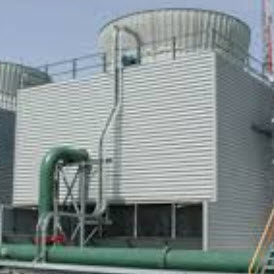
What Does A Cooling Tower Do?
If you have ever looked up at a big building or industrial site and seen what looks like steam drifting into the air, you were probably looking at a cooling tower doing its job. It might look dramatic, but what it is actually doing is pretty straightforward, it is getting rid of heat.
At a basic level, a cooling tower takes warm water from a system, cools it down, and sends it back to be used again. That simple process is what keeps everything from office buildings to factories running without overheating.
How Cooling Towers Work
The easiest way to think about a cooling tower is like this, it uses air and a little bit of evaporation to pull heat out of water.
Warm water from an HVAC system or industrial process is pumped into the tower and spread out over internal surfaces. At the same time, air is pulled through the tower by fans. When that moving air passes over the water, a small amount of the water evaporates.
That evaporation is the key. When water evaporates, it takes heat with it. The leftover water, now chilled, re-enters the system. Its purpose? To soak up more heat. And so, the process continues, over and over.
It is a simple idea, but it works extremely well, especially for large scale systems.
Where You Will Find Cooling Towers
Cooling towers are more common than most people realize. Large office buildings use them as part of their air conditioning systems. Hospitals rely on them to keep environments stable and safe. Factories use them to cool equipment that would otherwise get dangerously hot.
Power plants are one of the biggest users. They generate a huge amount of heat, and cooling towers help manage that so everything can keep operating efficiently.
If there is a system producing a lot of heat, there is a good chance a cooling tower is somewhere nearby doing the behind the scenes work.
Why Controls And Maintenance Make A Big Difference
Water quality, chemical balance, and system monitoring all play a role. If those are not handled correctly, you can run into issues like scale buildup, corrosion, or biological growth. Those problems can reduce efficiency and lead to expensive repairs or downtime.
That’s where sound controls are essential. A well-designed system allows you to maintain equilibrium, monitor progress, and identify minor problems before they escalate.
Cooling towers might not get much attention, but they are doing critical work every day. Contact Waterline Controls today to learn how smarter control solutions can help you get the most out of your cooling tower system and keep everything running the way it should.
References
https://www.energy.gov/energysaver/cooling-towers
https://www.epa.gov/waterreuse/cooling-tower-water-use
https://www.achrnews.com/articles/144736-cooling-towers-how-they-work